
February newsletter!

Hello and welcome to our February newsletter!
We hope you and your furry friends have had a wonderful start to 2026. February may be a short month (and very wet month), but it’s full of opportunities to show a little extra love and care to the pets who bring so much joy into our lives.

February is National Pet Dental Health Month
Just like us, pets need regular dental care to keep their teeth and gums healthy. With February dedicated to raising awareness, it’s the perfect time to shine a spotlight on your furry friend’s smile and take simple steps to protect their overall health.
Dental disease is one of the most common health issues seen in dogs and cats, and it can begin earlier than many pet owners realise. Plaque and tartar build-up may seem minor at first, but without proper care they can lead to gum disease, pain, tooth loss, and even affect major organs such as the heart, liver, and kidneys.
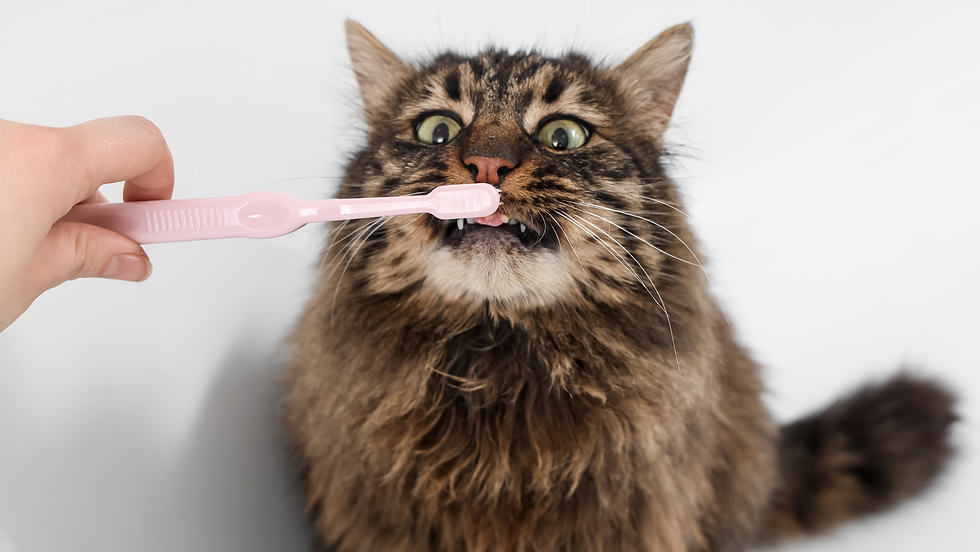
The good news? Dental problems are largely preventable with regular care at home and routine veterinary check-ups. Brushing your pet’s teeth (even a few times a week), using vet-approved dental treats or chews, and scheduling professional dental cleanings when recommended can make a world of difference. Early detection is key - bad breath, red gums, difficulty eating, or pawing at the mouth are all signs that your pet may need
a dental check.
This month is a great reminder to book a dental assessment, refresh your at-home dental routine, or simply learn more about how to keep your pet’s mouth healthy and pain-free. A healthy smile doesn’t just mean fresh breath - it supports your pet’s comfort, happiness, and long-term wellbeing.
Healthy smile
Brushing is key: Regular brushing with a pet-safe enzymatic toothpaste is the most effective way to prevent plaque build-up and dental disease. Aim for 2-3 times per week using a pet-specific toothbrush and toothpaste (never human toothpaste). Start slowly, keep sessions short and positive, and reward with praise or treats.
Dental chews & toys: Dental chews and toys help reduce plaque before it hardens into tartar. They’re a great addition to your pet’s routine between professional cleans. For best results, look for products approved by the Veterinary Oral Health Council (VOHC).
Dental supplements: Supplements such as Nutraplaque can be easily added to your pet’s food to help reduce plaque, tartar and bad breath. They work particularly well alongside brushing and dental chews.
Regular check-ups: We always assess your pet’s teeth and gums during their annual booster appointment. Spotting early signs of dental disease allows us to act before problems progress.
Professional dental examinations: Even with excellent home care, some pets - especially certain breeds - may need professional dental treatment. Under anaesthetic, we can thoroughly examine the mouth, take dental x-rays if needed, and carry out a scale and polish or extractions where necessary. Annual dental assessments are an important part of your pet’s overall healthcare plan.
Nutrition matters: A high-quality diet, including dental-specific foods where appropriate, can help support healthy teeth and gums.


If you would like to read more on patient stories and get a glimpse of what's happening behind the scenes at The Woodbridge Vets, please give us a follow on Facebook, Instagram, and TikTok.


Comments